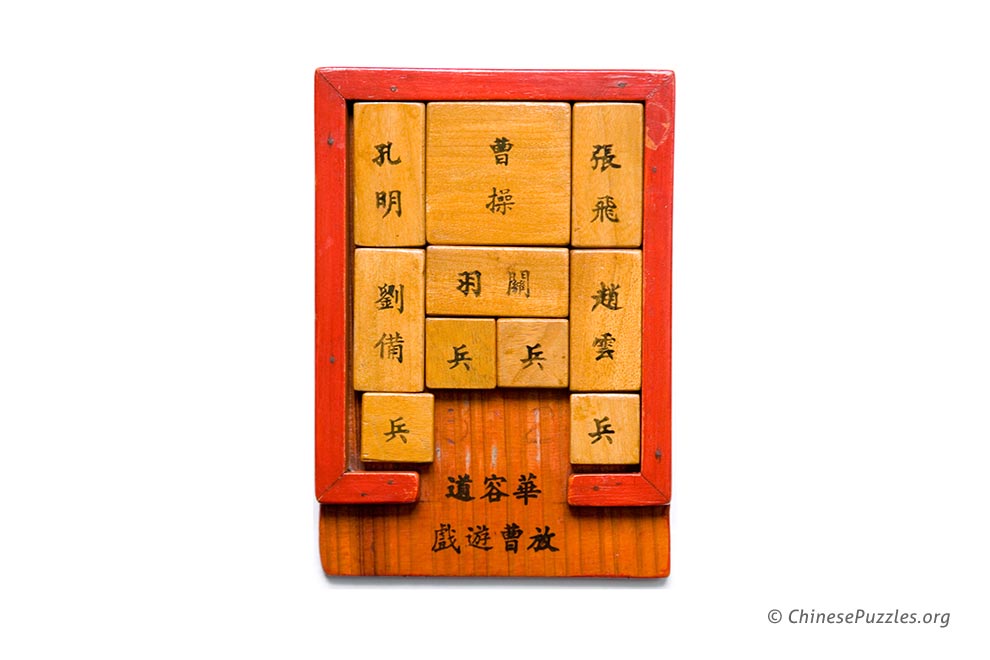
The Story of Huarong Pass
In the year 208 Cao Cao led 220,000 troops of the Wei army to fight against an army of 50,000 Shu troops in a mountainous area near Chibi in today’s Hubei province. Because of some strategic errors, Cao Cao’s troops were badly defeated in the Battle of Chibi, and he fled with only a handful of his soldiers.
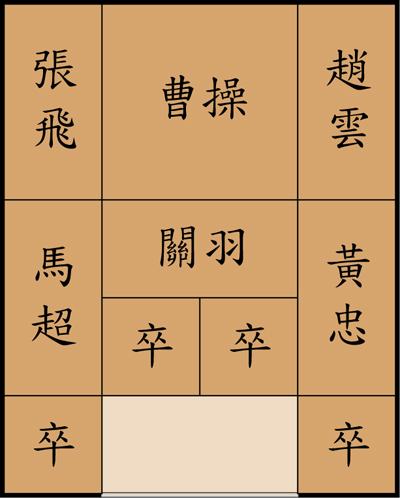
opposing commanders
A fictionalized version of Cao Cao’s escape is recounted in Three Kingdoms, the classic historical novel by Luo Guanzhong (ca. 1330–1400), and is known to every schoolchild in China. According to this story, the only way for Cao Cao to escape was through the narrow Huarong Pass. However, the Shu strategist Zhuge Liang had already placed his commander Guan Yu there, and Cao Cao was captured. But taking advantage of their old friendship, Cao Cao persuaded Guan Yu to let him go.
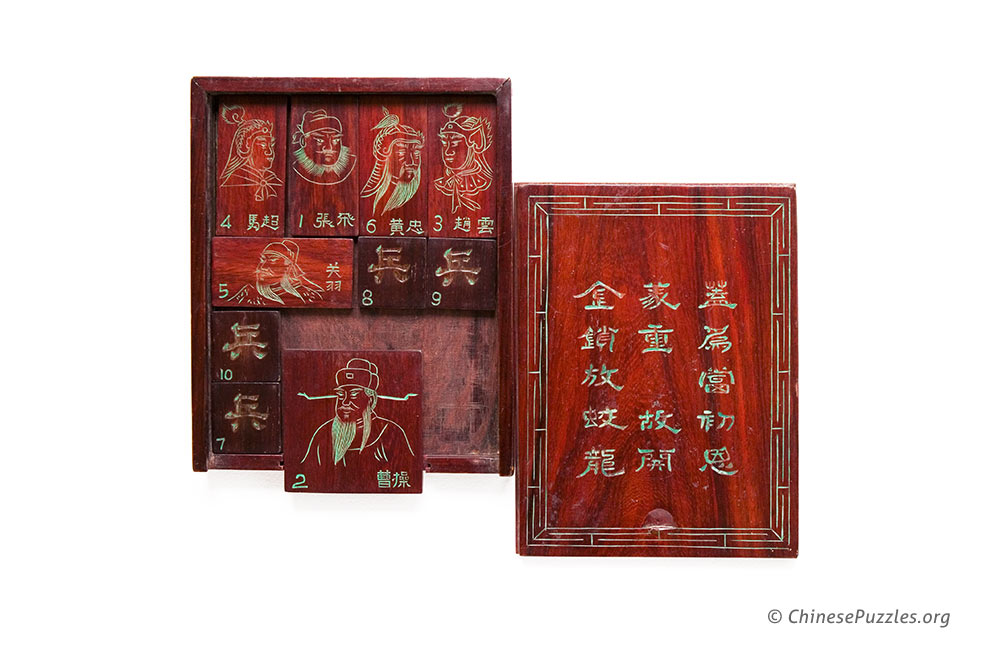
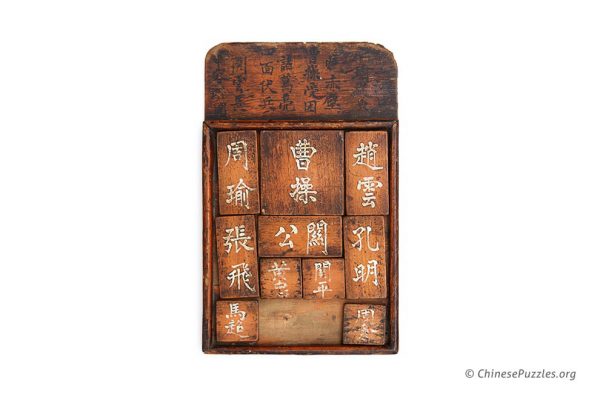
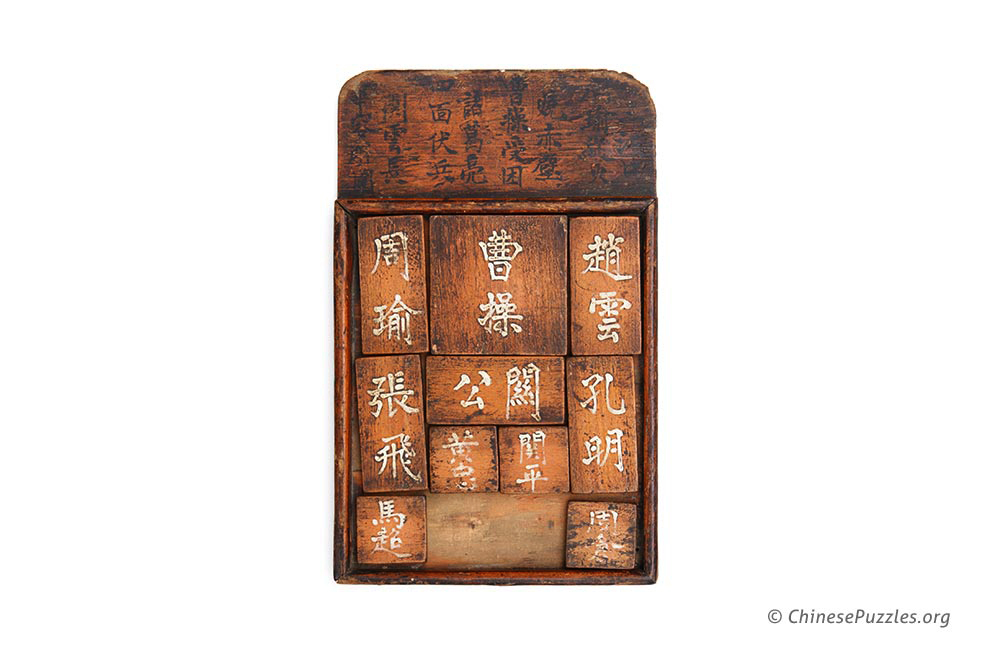
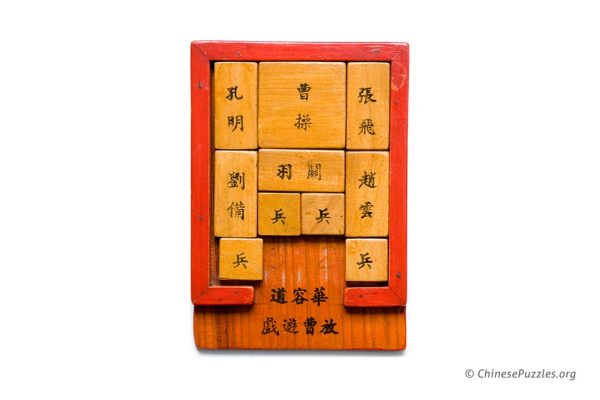
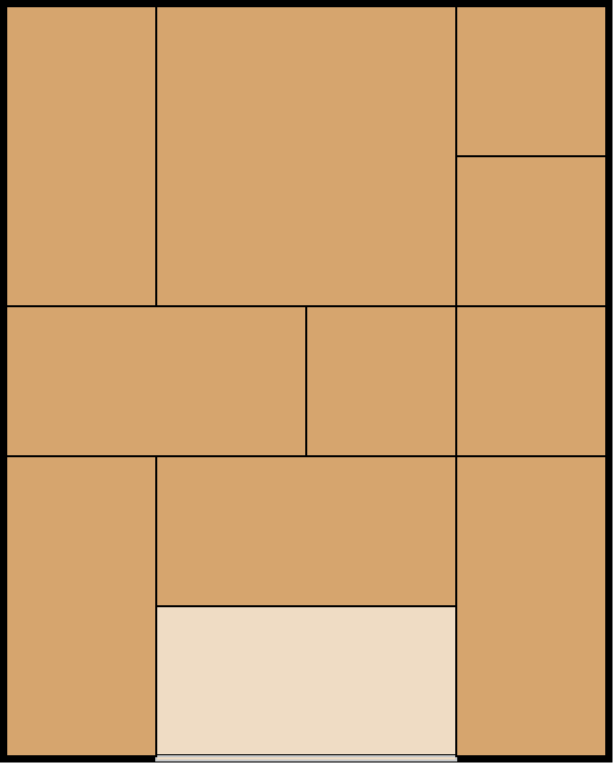
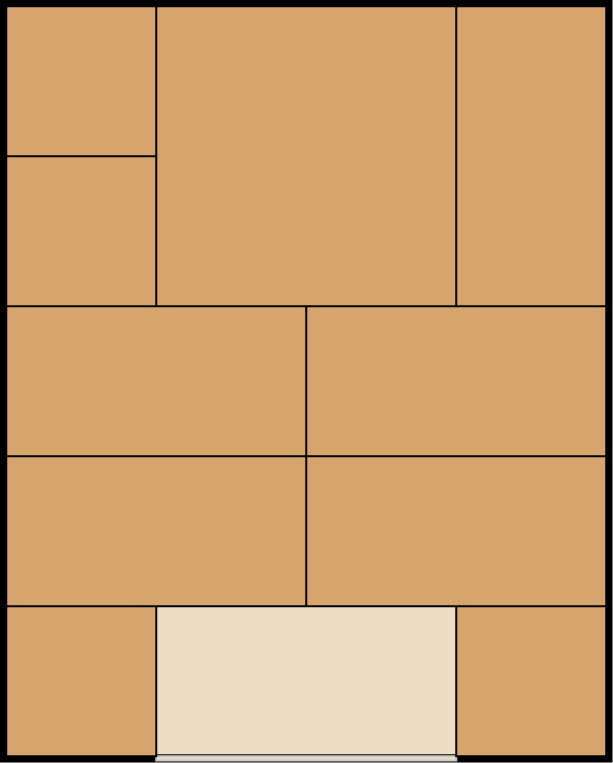
The rectangular board shown here is a battlefield; the large square block at the top is Cao Cao; the horizontal rectangular block directly below Cao Cao is Guan Yu; the other eight blocks are other Shu commanders and soldiers; and the opening at the bottom of the board is Huarong Pass. Initially the blocks are arranged as shown here, with Cao Cao’s block trapped by the other nine. The player’s job is to slide blocks horizontally and vertically so that Cao Cao can eventually escape through the pass.
History of the Huarong Pass Sliding Block Puzzle
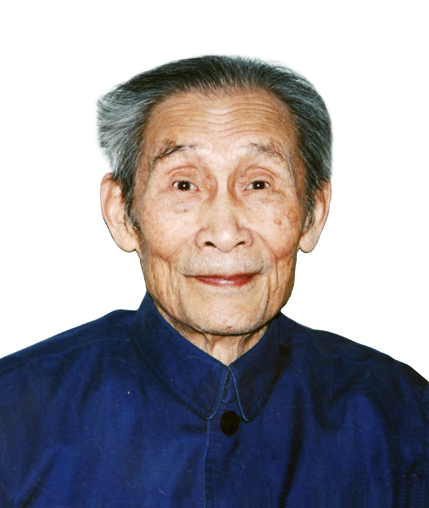
(1904–2006)
Professor Jiang Changying (1904–2006) of Northwest Industrial University in Xi’an was the first person in China to write about the sliding block puzzle based on this story. He described it in his 1949 book Science Entertainment, and he named the puzzle Huarong Dao (Huarong Pass). Professor Jiang believed the puzzle was invented in the 1930s and became popular in China during the late 1930s and early 1940s. He had first encountered the puzzle during the summer and fall of 1943.
In 1938, when the Anti-Japanese War began, Professor Lin Dekuan of Northwestern Industrial University left his home in Hanzhong, Shaanxi province, and moved to the countryside in Chenggu county to avoid the Japanese air raids. There he saw children playing with sliding block puzzles made of paper.
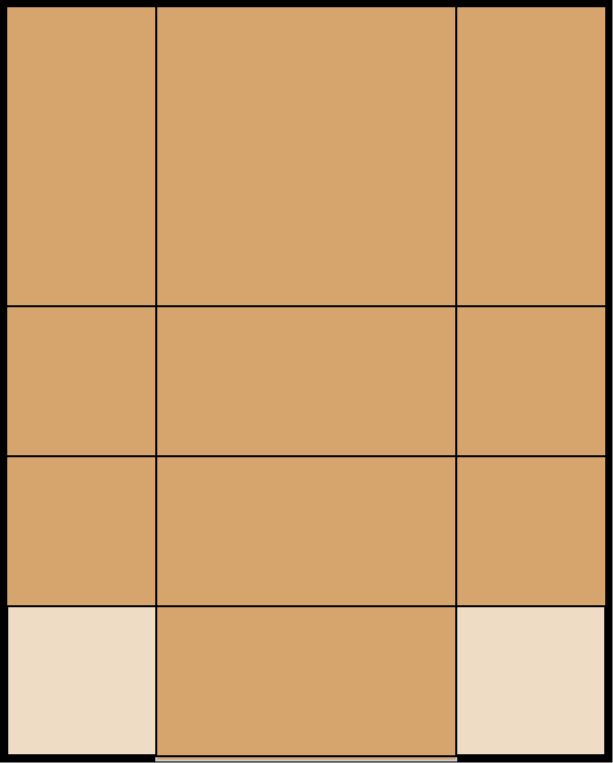
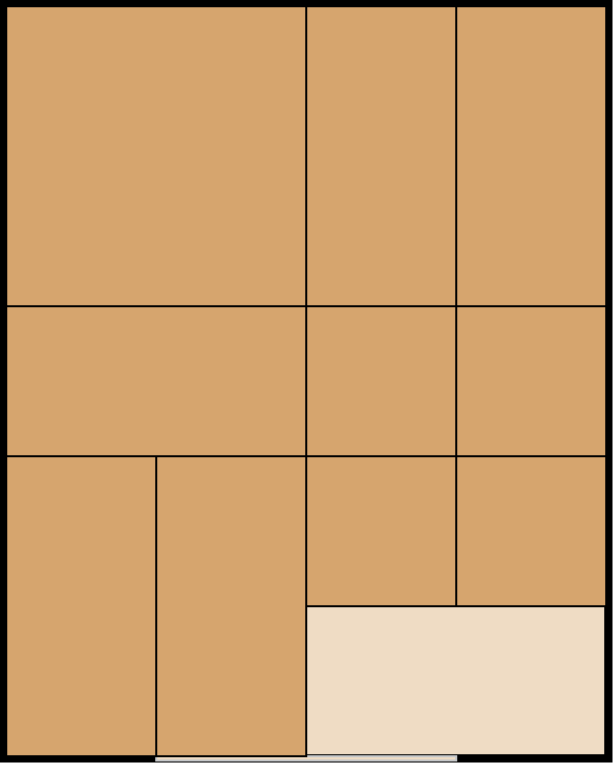
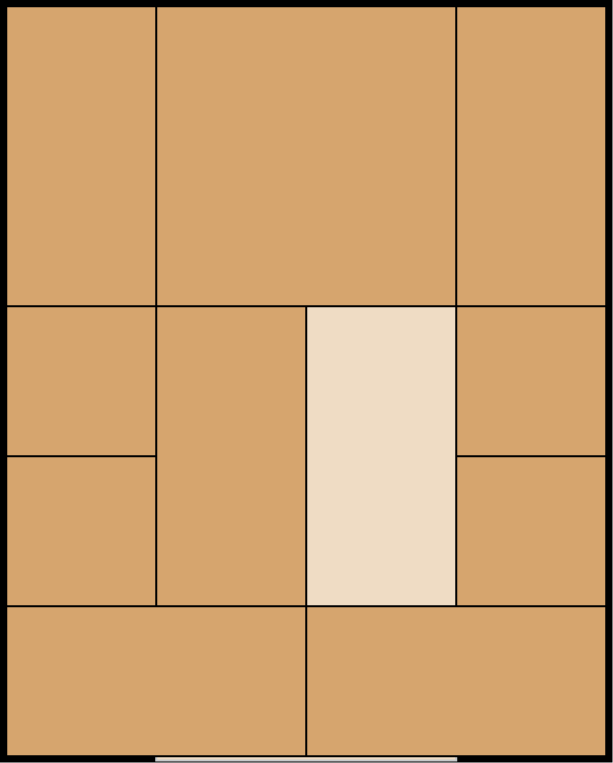
In 1943 Liang Qing of Xi’an was a teacher in the New Fourth Route Army, and he publicized the sliding block puzzle among the soldiers to enhance their cultural life. He learned Huarong Pass from people in northern Jiangsu province and publicized it among the soldiers. Liang collected many different initial configurations of Huarong Pass and gave each a name for easy reference. The most common configuration was called “Blocked by Broad Sword and Standing Horses.” Other configurations were “Can’t Fly Out, Even with Wings,” and “Layered Blockage.”
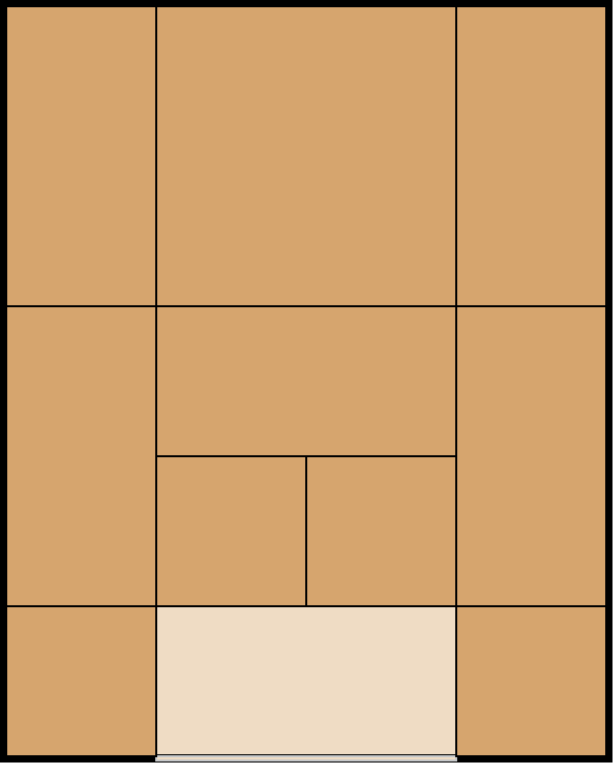
and Standing Horses
Even with Wings
Blockage
Many other initial configurations, with various degrees of difficulty, have also been created.
According to Jiang Changying, the puzzle probably came to Shanghai in the early 1940s from northern Jiangsu province. By the early 1950s street vendors were selling versions of the puzzle printed on thin paper. Later, Professor Jiang saw a wood version sold in a Shanghai stationary store. In 1956 the puzzle was written up in a math magazine, where it was called “Guan Yu Releases Cao Cao.” In 1959 it appeared in Liaoning Pictorial with a revolutionary name fitting the era, “Chase Away the Paper Tiger.” In the 1960s Shanghai No. 14 Toy Factory and Shanghai Changchun Plastic Factory made plastic versions named “Parking the Boats.” And in the 1980s Huarong Pass enthusiasts formed an association and organized competitions in Beijing, Shanghai, and Northeast China.
In 1932 J. H. Fleming of Lancashire, England, patented a sliding block puzzle very similar to Huarong Pass, with the same blocks, board, and escape route at the bottom. Versions of the puzzle appeared in France, Japan, and other countries—each with its own theme and characters. The minimum-move solution—requiring eighty-one moves—was worked out by Thomas B. Lemann of New Orleans and was published in the March 1964 issue of Scientific American.
Regardless of its origin, the mapping of the classic story of Cao Cao’s capture and escape onto this sliding block puzzle has made Huarong Pass uniquely Chinese.
Solving Huarong Pass
Now it’s time for you to try your hand at Huarong Pass. You can make your own set out of wood or cardboard, or you can purchase it from a puzzle shop. You can even play an online version. Initially you shouldn’t worry about how many moves you take to free Cao Cao. Just try your own strategies until you find one that works. If you get frustrated you can always remove the blocks and start again.
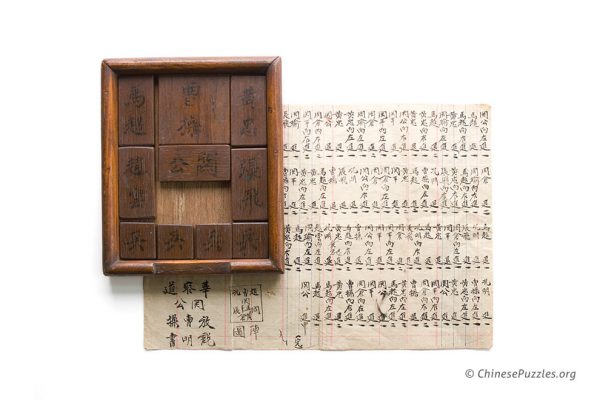
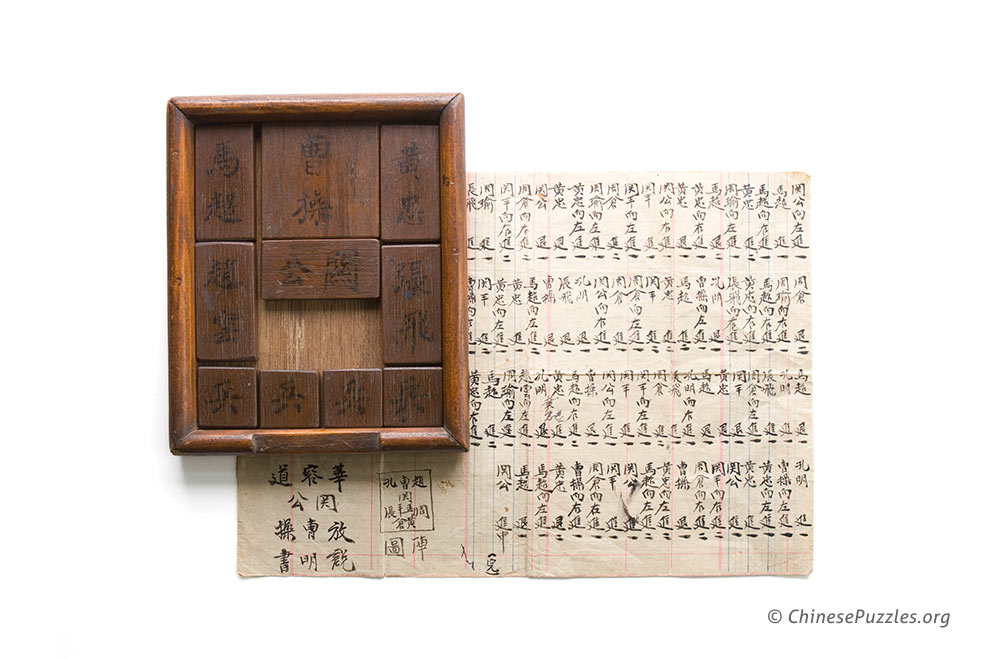
If you would like to help Cao Cao to escape through Huarong Pass in eighty-one moves, here are a few intermediate steps to guide you along the way. Notice that Cao Cao and the opposing commanders on his left and right do not budge for the first twenty-four moves, so all the initial action takes place on the lower part of the battleground. Continue to follow the indicated steps, and lead Cao Cao through the opening at the base on the eighty-first move.
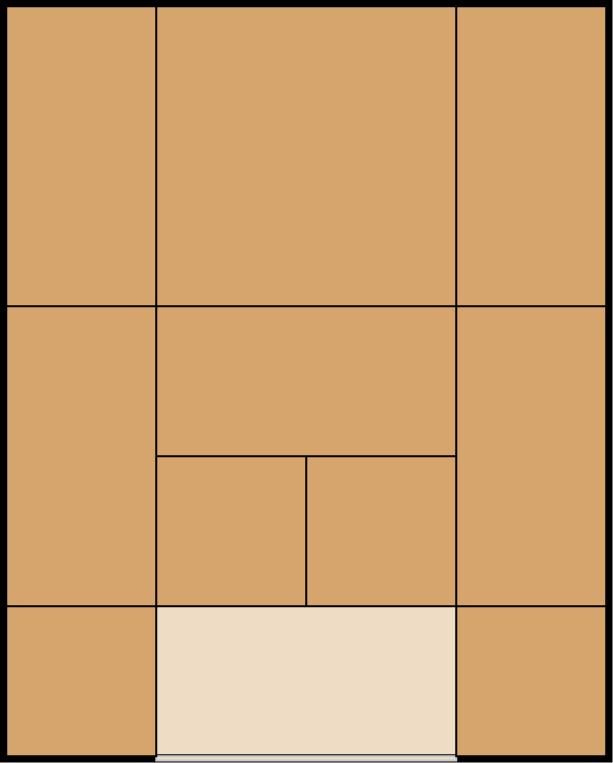
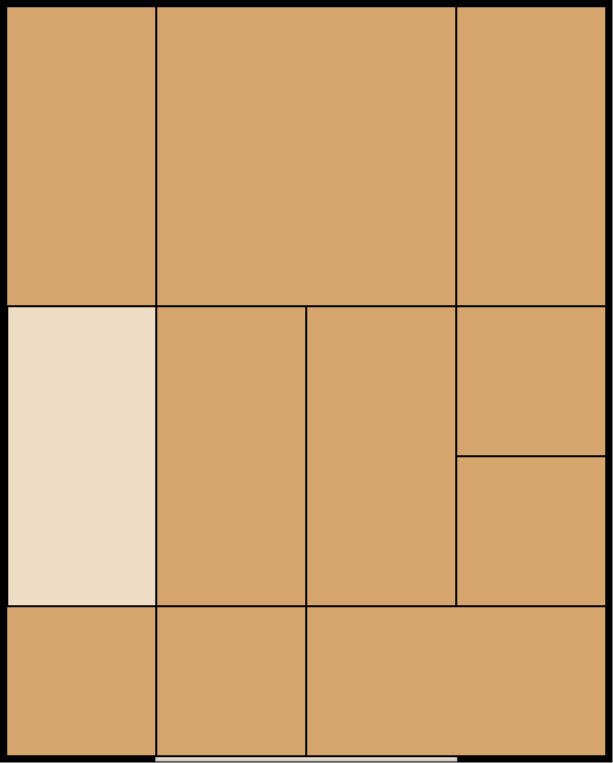
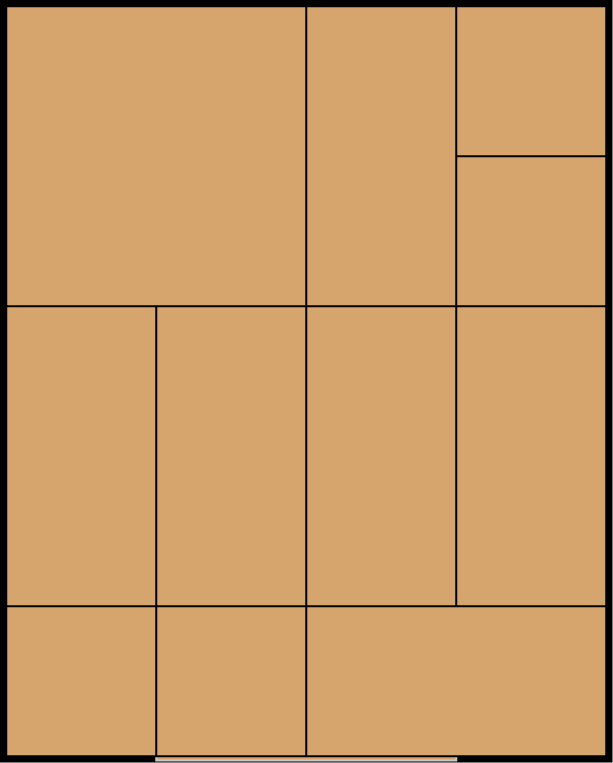
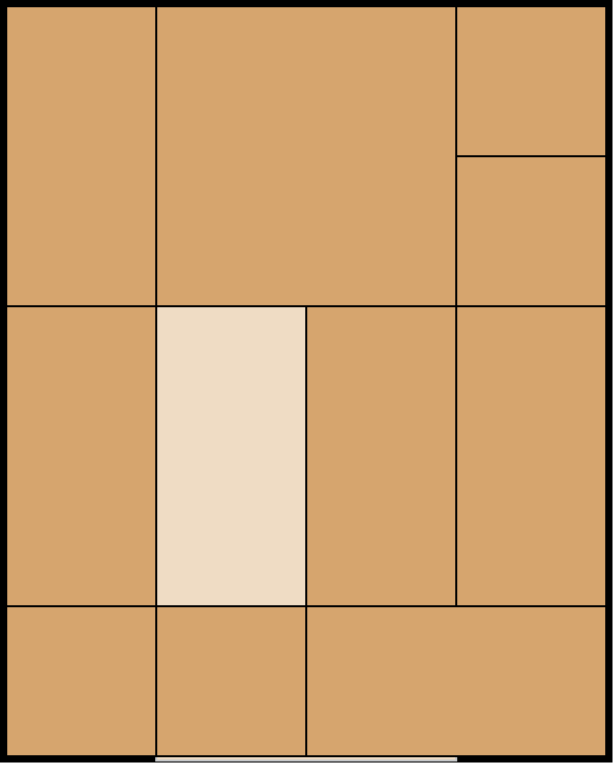
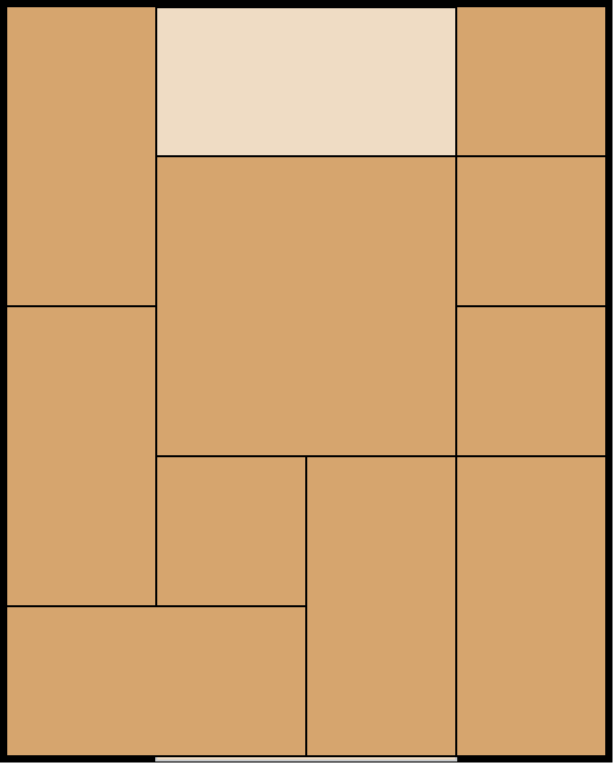
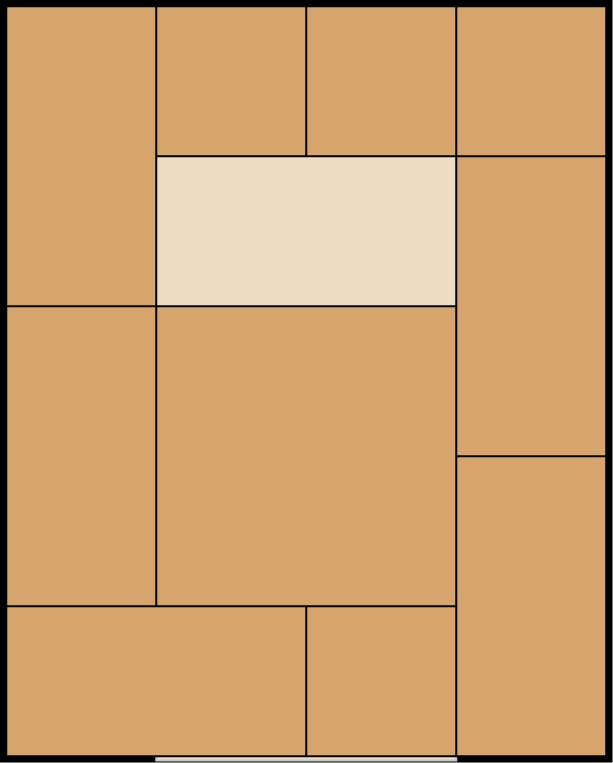
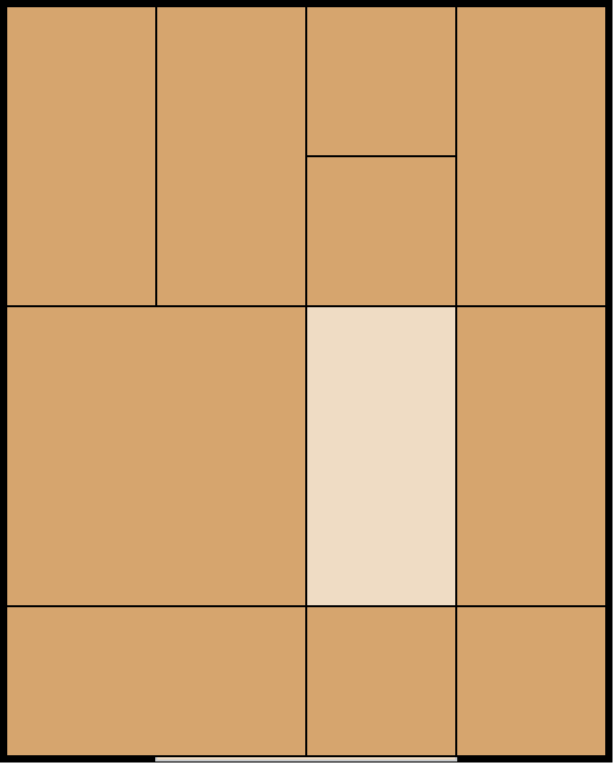
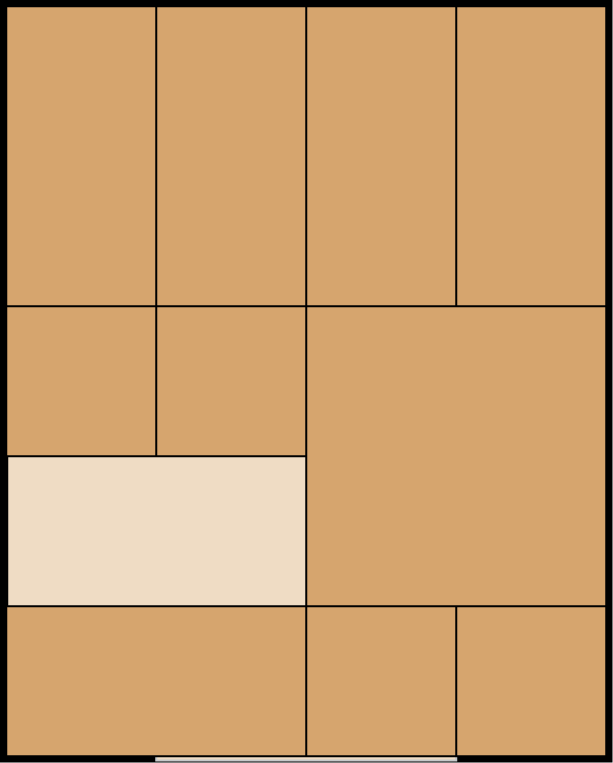
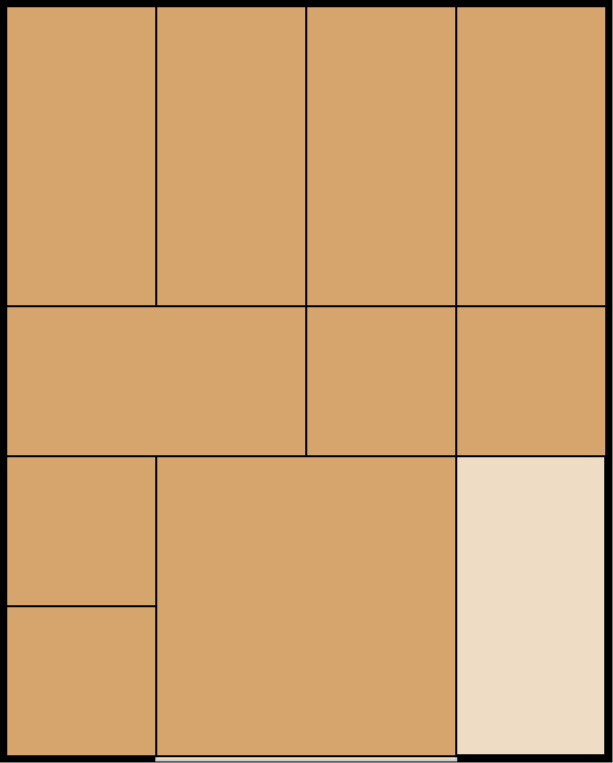
After you’ve led Cao Cao through Huarong Pass, try to do it again without looking at the hints. And don’t forget to try solving the other configurations too. Good luck!
Read More
Peter Rasmussen, Wei Zhang, and Niana Liu. Zhongguo chuantong yizhi youxi (Traditional Chinese Puzzles). Beijing: Sanlian Shudian, 2021. See pages 256–269. In Chinese.